Prepare Your Roof for El Niño: A San Francisco & Bay Area Guide
The super El Niño condition in San Francisco and the Bay Area may bring greater rainfall this year. It can put extra pressure on your roof stability. Well-executed El Niño roof preparation can provide better protection for businesses and residents.
Is El Niño Really Coming to the Bay Area This Winter?
The NOAA El Niño Outlook October 2026 favors above-normal rain for much of California from November through January, with a strong El Niño expected through January–March 2027 at better than 83% odds. So if you’re asking when will El Niño hit California, the answer is likely this winter, starting in November.
That said, the highest El Niño peak on record (2015-2016) left Downtown Los Angeles at just 48% of normal rain. The season total says nothing about the severity of a single storm. Therefore, you should reasonably treat the “El Niño California 2026” search results as reminders, rather than hard facts. Preventive roof maintenance can be a good strategy to manage storm impact, as the damage often depends on the roof’s condition.
Why “One Big Storm” Matters More Than the Season Total (Atmospheric Rivers)
Atmospheric rivers are long, narrow streams of concentrated water vapor that transport moisture outside the tropics. This process can lead to landslides and flooding. El Niño can increase sea surface temperatures, speeding up water evaporation. The excessive moisture may bring an atmospheric river that California residents struggle to handle.
From October 2023 to March 2024, California saw 44 atmospheric rivers, after facing 9 consecutive ones at the beginning of 2023. It only takes a well-aimed AR to find a weak seam or a worn pipe boot to cause structural damage through the roof. That’s why roof leak detection before the storm hits is particularly crucial.
What El Niño Rain Does to an Unprepared Roof
From the roof to the gutters to the ground at the foundation, a single failed point can lead to serious El Niño roof damage. When a roof fails, it overloads the gutters and foundation. The chain effect affects everything below.
Some common leak points for various roof types include:
- Tile / Spanish tile: Roof valley failures
- Flat: Seam and pipe boot failures
- Asphalt shingle: Roof valley and nailing point failures
- Composite: Roof valley and eave failures
In 2017, flooding along Coyote Creek forced thousands of San Jose residents to evacuate and caused more than $70 million in damage. During the 1997-98 El Niño, landslides caused over $150 million in damage across the 10-county Bay Area (USGS).
This creates the need for a well-maintained roof. It can better guard your property against destructive rainfall.
Your Pre-Storm Roof Checklist for the Bay Area
A roof inspection before rainy season reveals the weak points. In a speech, San Jose Office of Emergency Management Director Ray Riordan encouraged residents to:
- Clean gutters and drains
- Inspect roofs
- Seal gaps where water can enter
- Keep trees trimmed and maintained
In addition, professional roofing services can examine inaccessible areas for homeowners to identify failures in different roof types.
| Roof type | Where it fails first in heavy rain |
| Asphalt shingle | Roof valleys, flashing points, nailing points |
| Tile / Spanish tile | The underlayment, roof valleys |
| Flat (TPO / EPDM / bitumen) | Seams, pipe boots, puncture points |
| Composite | Roof valleys, edges, eaves |

Your Pre-Storm Roof Checklist (Bay Area)
As mentioned, residents should take a few precautionary steps to protect themselves against unusual weather conditions. A pre-storm check allows you to arrange roof repair work on time if needed.
Follow this checklist for a roof inspection before the rainy season.
| Task | DIY or pro | What failure looks like |
| Inspect roof | Both | Wet attics, ceiling water stains, loose items on the roof |
| Clean gutters and downspouts | DIY (if safe) | Water overflowing, soaked foundation, clogged gutters |
| Chimney and brickwork check | Pro | Brick misalignment, missing bricks |
| Examine flashing points | Pro | Rust, gaps |
Moss, Fog and North-Facing Roofs — an SF Problem
The shaded, fog-exposed north-facing slopes often hold excessive moisture. It creates the moss on roofs that San Francisco homeowners often see.
With the El Niño 2026 California forecasts pointing to heavier rainfall, moss problems may worsen. Pre-season cleaning and preventative treatment can often help manage this concern effectively.
Book a Roof Inspection Now, Not After the First Leak
From 2014 to 2025 in San Francisco, August to October accounted for 31% of re-roof permit filings while December to January accounted for just under 14%. Fall is already a busy season for roof work. Anyone waiting for the first leak to address the issue may not receive timely support.
A roof replacement typically takes one to three weeks to complete. Scheduling early gives ample time for drying and restoring protection before the rainy season.
With the unprecedented number of calls coming in for roofing requests this year, households should plan ahead to secure an appointment. Call now to book a roof inspection Bay Area households can trust.
Repair or Replace Before Winter?
Roof repair or replace: industry rules of thumb point in one direction or the other.
Repair usually makes sense when the roof is sound, and the damage is localized, such as broken tiles or faulty chimney flashing.
On the other hand, a replacement may be better in these situations:
- Recurring leaks
- Widespread damage across the whole surface
- The roof is near the end of its lifespan
- Repair costs nearly half of a replacement
However, the above indicators are for reference only. An inspection is what settles it.
Roof Work Timing — Do Now vs. Wait for Spring
Doing all the repair work can be time-consuming and overwhelming. Therefore, you can check out this table for suitable roof replacement timing. It helps you prioritize tasks while keeping your property safe.
| Work | Timing this winter | Why |
| Reroof/repair / exterior sealing | Finish before the storms, or wait for spring | A minor leak can worsen quickly during heavy rain |
| Drainage/regrading | Before the storms | Efficient, unclogged drainage can effectively prevent flooding |
| Large additions opening the structure | Close in the shell before heavy rain | Open framing can lead to more serious leaks |

If a Leak Starts Mid-Storm
During an emergency roof leak, there are a few things you can do before the roofing crew arrives.
- If water reaches light fixtures or outlets, or the ceiling sags, leave the area and keep away from electrical items.
- Contain the water inside with towels or buckets for minor leaks
- Move valuables and electronics away from the water
- Do not climb a wet roof
- Arrange emergency tarping
Call RoofWorx. Same-day dispatch is available.
El Niño, Roof Damage & Your Insurance
With the current El Niño 2026 California forecast, storm damage to your roof may be covered under your homeowners or commercial property policy. Most homeowners policies exclude flood, and a separate federal flood policy generally takes effect about 30 days after purchase. Coverage depends on your policy terms and the cause of damage. However, most home insurance policies exclude flood coverage. In that case, you will need specific federal flood policies, such as FEMA flood insurance (30-day wait).
A dated pre-season inspection report documents your roof’s condition before the storms. For the most accurate information, contact your policy provider.
This is general information, not insurance advice.
Stay Informed This Winter
If a super El Niño reaches California this winter, local alerts will matter. The NWS publishes weekly forecasts to inform residents about Bay Area storm alerts and important El niño information.
Serving San Francisco & the Bay Area
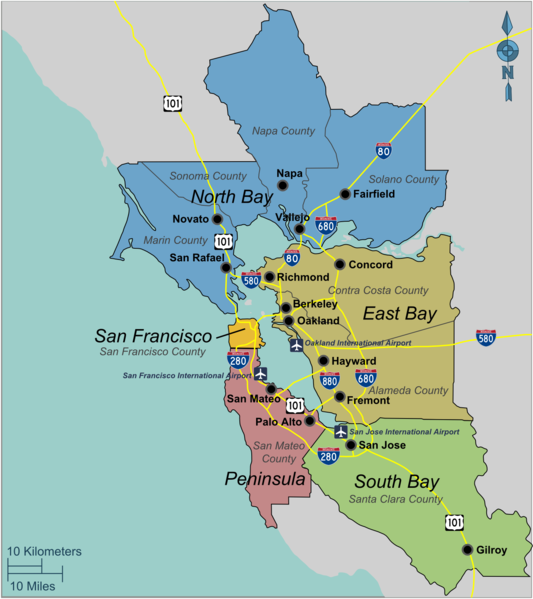
Check out our San Francisco and Bay Area service areas. Preparing for an El Niño Bay Area winter? Contact RoofWorx’s team to see if your ZIP code is covered.
Why Bay Area Property Owners Choose RoofWorx
Licensed & Insured California Contractor — LIC #1099501.
RoofWorx is a licensed and insured California contractor. You can find us under registration LIC #1099501.
Rapid Response, Same-Day Dispatch Available
Same-day dispatch is available. Call to check availability.
Drone & Virtual Roof Inspections
Drone and virtual inspections are a great start to examine the roof’s condition. They allow us to examine inaccessible areas.
All Roof Types & Materials Covered
From commercial buildings to residential houses, we service all roof and material types.
10+ Years Serving SF & the Bay Area
We have 10+ years of local expertise, serving SF, the Bay Area, and surrounding communities. Talk to a roofing expert for an initial assessment to prepare for the California El Niño impacts.
FAQ
-
Is El Niño guaranteed to bring heavy rain to San Francisco this winter? +
NOAA’s El Niño 2026 California Outlook indicates a strong possibility of heavy rain this winter. However, it is important to understand that the predictions are never a guarantee.
The best homeowners can do is to be prepared before the rainy season. Quality roofing typically reduces leak risks.
-
When should I prepare my roof for El Niño? +
Before the first major storm, ideally in early fall, when roofers still have open schedules. It gives enough time for the structure to dry. A well-maintained roof can withstand harsh weather conditions better. To understand what kind of roofing repair is necessary, get a professional roof inspection.
-
What should a pre-season roof inspection check? +
A pre-season roof inspection should check the exterior roof coverings, valleys, structural conditions, and drainage systems. Homeowners can self-inspect visible damage and water leaks while professional technicians can assess hidden areas and structural integrity.
-
Will my insurance cover El Niño roof damage? +
Yes, storm damage to your roof may be covered under your homeowners or commercial property policy, depending on your policy terms and the cause of damage. Most homeowners policies exclude flood, which requires a separate federal flood policy.
-
Is it too late to replace my roof before winter? +
Not necessarily. A full replacement typically takes one to three weeks, so it can still fit before heavy rain if you book early. If not, urgent repairs can be done now and the replacement planned for spring.
Don’t Wait for the First Leak — Get Your Roof El Niño-Ready
As the California El Niño forecast continues to raise concerns, it is time to be prepared. Do not wait for the damage to happen to take action. Secure your roof to reduce property damage risk. From flat roofing services to composite roof repair to general maintenance, RoofWorx is here to help make your property ready for the heavy rain this winter may bring.
Prepare your home regardless of the forecast.